



Gambling’s influence in classic literature A deep dive into chance and fate
The Role of Chance in Classic Literature
Chance plays a pivotal role in classic literature, often serving as a catalyst for characters’ development and plot progression. In works like Shakespeare’s « Romeo and Juliet, » fate intertwines with random events, leading to tragic outcomes. The characters are caught in a web of chance, reflecting the unpredictability of life and the consequences of their choices, which can sometimes lead individuals to explore options like non-gamstop casinos.
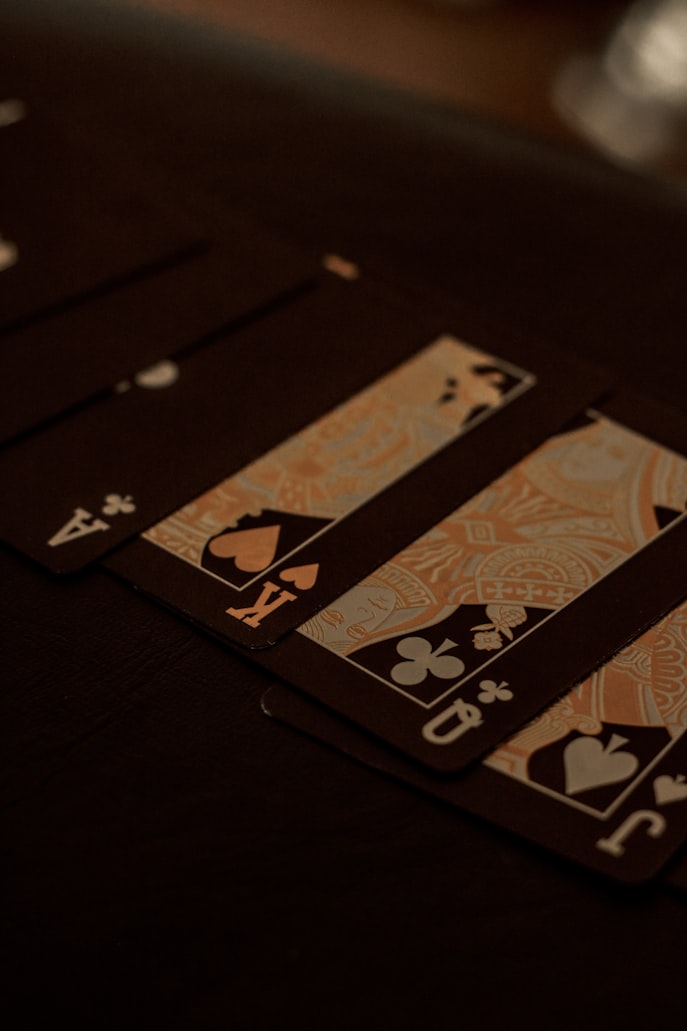
This concept of chance extends beyond mere coincidence; it acts as a driving force, prompting readers to ponder the intricacies of fate and free will. The juxtaposition of characters’ ambitions against the whims of chance creates a rich narrative tapestry that challenges the notion of control over one’s destiny.
The tension between fate and free will is a recurring theme in classic literature. Many authors explore the idea that while characters may strive for autonomy, their paths are often dictated by fate’s unyielding hand. In « Macbeth, » for instance, the protagonist’s ambition leads him to make choices that ultimately fulfill the witches’ prophecies, showcasing the interplay between predestination and personal agency.
This struggle invites readers to question whether individuals are the architects of their fates or mere puppets to a grander scheme. The complexity of this theme resonates deeply, encouraging ongoing debate about the nature of existence and human agency.
Gambling as a Metaphor
Gambling serves as a powerful metaphor in classic literature, symbolizing risk, uncertainty, and the often arbitrary nature of fate. In Fyodor Dostoevsky’s « The Gambler, » the protagonist’s obsession with gambling reflects his broader existential struggles. The roulette wheel becomes a representation of life itself, where chance dictates success and failure.
Through gambling, authors explore the human condition, illustrating how individuals confront uncertainty. The stakes are high, both literally and metaphorically, as characters wager not just their fortunes but their very identities and aspirations, highlighting the profound implications of their choices.
Literature’s Reflection of Society
Classic literature often mirrors societal views on gambling, reflecting cultural attitudes toward chance, fate, and morality. In many narratives, gambling is portrayed as both a vice and a means of escape from the mundane. Writers such as Mark Twain and Charles Dickens illuminate how gambling affects social hierarchies and individual lives, prompting readers to question ethical boundaries.
These portrayals provide insights into societal norms and the human psyche. By examining gambling within literature, we gain a deeper understanding of the moral dilemmas characters face and the societal consequences of their actions, making the theme all the more relevant across generations.

Conclusion and Website Context
This exploration of gambling in classic literature reveals the intricate relationships between chance and fate. Through various narratives, authors delve into these themes, inviting readers to reflect on the unpredictable nature of life and the decisions that shape our destinies. The resonant themes of gambling serve as a lens through which we examine our own choices and the fickle hand of fate.
For more insights into literature and its multifaceted themes, this website aims to provide a safe and enriching browsing experience. With a commitment to protecting user security, the platform ensures that readers can explore such topics with ease and confidence, fostering a deeper appreciation for the literary world.
« `